
A pay raise is on the way for millions of American workers next year.
On Jan. 1, minimum wage rates will climb in 19 states and 49 cities and counties across the US.
That’s good news for many Americans struggling to make ends meet as prices on everything from groceries to electric bills continue to climb.
“The cost of living has been top of mind for workers,” said Yannet Lathrop, senior researcher and policy analyst at the National Employment Law Project, which rounded up the minimum wage increases taking effect soon.“Paychecks are just not covering the basic necessities for workers and families at the lower end of the pay scale.”
By this time next year, a total of 22 states and 66 cities and counties will have increased their minimum wage rates for hourly workers.
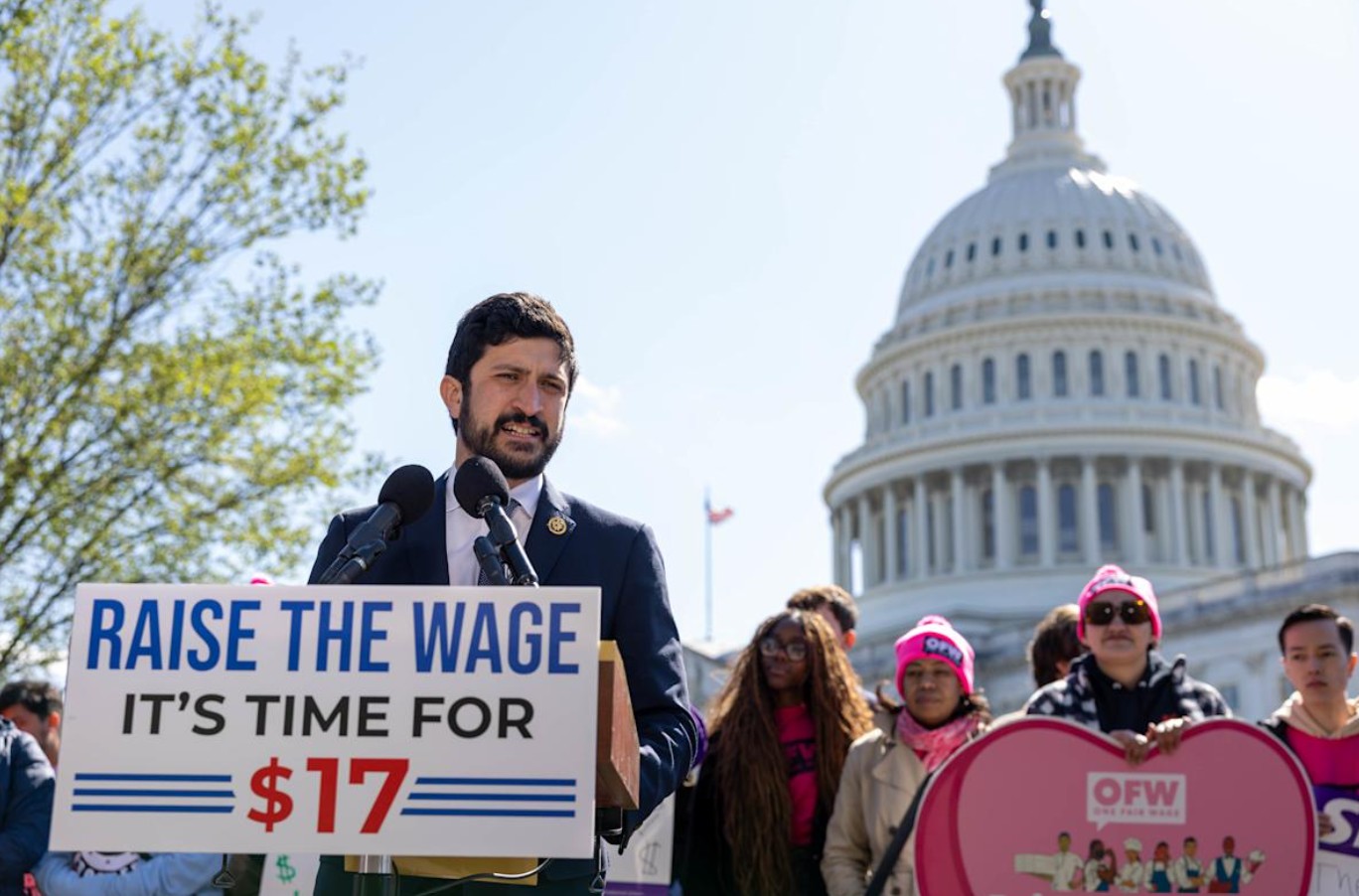
Many will reach or exceed $15 minimum wage for some or all employees, and a few will reach or exceed $17 an hour.
In Denver, for example, the hourly wage will bump to $19.29 from $18.81 — far higher than the state minimum wage of $15.16.
The citywide minimum wage was $12.85 per hour in 2020. Then the state of Colorado lifted its ban on local governments adopting higher local wages, and Denver quickly responded.
Arizona’s minimum wage, for example, will bump to $15.15 an hour from $14.70. Nebraska workers will see a raise from $13.50 to $15 an hour; New York City will climb from $16.50 to $17. Missouri will go to $15 from $13.75. In New Jersey, the wage floor for long-term care workers will rise to $18.92 an hour from $18.49.
“The upcoming minimum wage increases are incremental and won’t magically turn severely underpaid jobs into living-wage jobs, but they do offer a bit of relief at a time when every dollar matters for people,” Lathrop said.
“The bigger picture is that raising the minimum wage is just one piece of a much larger fight for a good jobs economy rooted in living wages and good benefits for every working person. That’s where we need to get to,” she added.
More to come
While the bulk of pay increases kick off on Jan. 1, some locales have scheduled their changes for another point during the year. For example, several state and local jurisdictions will increase their minimum wages on July 1, 2026. Florida will increase its minimum wage by $1 to $15.00 per hour on Sept. 30, 2026.
Several jurisdictions will raise wages twice during the year for some or all workers.
In some cases, minimum wage changes will be based on the size of the employer. In California, for instance, the base wage in the city of Novato will increase according to the number of workers an employer has on the payroll.
For employers in Novato with more than 100 workers, the minimum wage will rise to $17.73 an hour. Employers with 26 to 99 employees will see a baseline pay of $17.46. Small employers, or those with 25 or fewer workers, will have a minimum wage of $16.90.
Two cities in Washington state are due for wage increases based on a business’s number of employees: Everett and Renton.
In many cities, the amount of the minimum wage increase is linked to whether or not you also have earnings from tips.
Where the minimum hourly wage is below $17
To put all of this in perspective: An estimated 26 million workers are paid less than $17 per hour, roughly 18% of the US workforce, according to a report from the Economic Policy Institute (EPI).
In fact, the minimum wage is $7.25 in 20 states, including Alabama, Iowa, Texas, and Wyoming.
That lines up with the minimum federal wage. Under the Fair Labor Standards Act, the federal wage floor has been $7.25 an hour since 2009.
