
Americans looking for work in 2025 faced a challenging environment. And 2026 may not be much better.
As of September, the most recent month for which we have official data, the unemployment rate stood at 4.4%, low by historical standards but the highest since October 2021. Data from the University of Michigan showed that as of November, the majority of consumers expected unemployment to rise in the year ahead.
Job growth has also been paltry, while layoffs have started to creep up. The hiring rate remains at lows seen early in the pandemic and in the aftermath of the Great Recession.
A report last month from the Indeed Hiring Lab noted that in a currently frozen labor picture, “the question won’t be whether the market thaws — it will be whether it cracks.”
Healthcare, for example, represented 47.5% of all job growth during 2025 recorded as of August. A serious pullback in that sector alone, without improvements in others, could further pressure the job market.
“The most probable outcome is not a dramatic break from current conditions, but an extension of today’s ‘low-hire, low-fire’ environment in which both employers and job seekers face a slower, more selective market,” experts with the Indeed Hiring Lab said.
The November jobs report is scheduled for release on Dec. 16, and December data is on deck for Jan. 9, 2026, as the government works through a data backlog resulting from the 43-day government shutdown that ended last month.
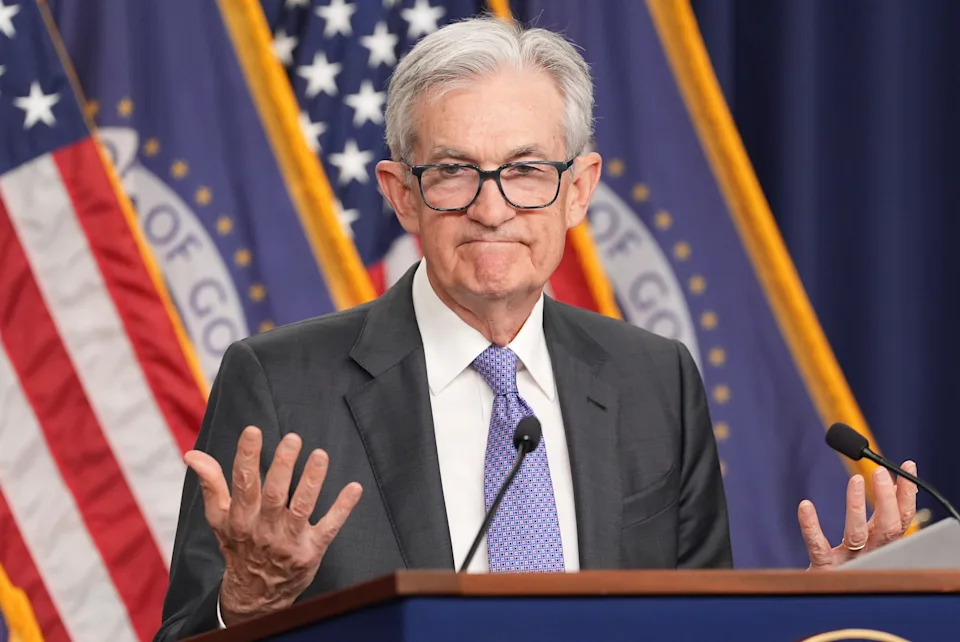
The Federal Reserve this week published forecasts that showed officials estimate unemployment will peak at 4.5% this year before falling back to 4.4% by the end of 2026. On Wednesday, Fed Chair Jerome Powell noted that the job market is “under pressure,” while “job creation may actually be negative.”
“Now, supply of workers has also gone way down, so the unemployment rate hasn’t moved that much,” Powell said. “But, you know, it’s a labor market that seems to have significant downside risks. People care a lot about that.”
The low-hire, low-fire labor market, which has been difficult for job seekers, looks likely to persist.
“It is concerning to me that we’re starting the year weaker than we were the prior year,” Economic Policy Institute senior economist Elise Gould said. “Do I think a recession is necessarily coming? I don’t know, but I think that I have concerns — and it’s important to remember that even a mild recession can hit historically disadvantaged groups a lot.”
Conditions have been especially tough for younger Americans entering the job market.
The National Association of Colleges and Employers, in a survey of 183 employers conducted between Aug. 7 and Sept. 22, found that just over half of respondents rated the market for 2026 college graduates as poor or fair, comparable to what they felt during the depths of the pandemic.
When it came to job prospects for the class of 2026, the majority of employers said they planned to maintain their current headcount — a continuation of the conditions that dogged young job seekers who filled out hundreds of applications this year and heard hardly anything back.
Companies are “seeing about a 1.6% projected increase in hiring for the class of 2026,” NACE director of research and public policy Mary Gatta said, “which means it’s basically flat from last year’s class.”
College students looking to remain competitive should try to bulk up their skills, land internships, and seek on-campus work, Gatta said. AI know-how in particular may be valuable, though 14% of employers in NACE’s survey said they were already discussing replacing entry-level workers with the technology.
“In our survey, what we really saw was people are not talking about replacing jobs, but augmenting,” Gatta said.
Still, Aysegul Sahin, professor of economics and public affairs at Princeton University, noted that while current sentiment is negative about the labor market, fewer jobs may be needed amid lower immigration, which keeps the unemployment rate steadier.
“There is a little bit of a disagreement about whether what we are seeing is the beginning of a recession or kind of a mature expansion phase with slow population growth due to immigration restrictions,” Sahin said. “I’m on the second part, because I believe what we have been seeing is the delayed effects of a soft landing that the Fed accomplished almost perfectly.”
In written comments to Yahoo Finance, KPMG US senior economist Matt Nestler also noted: “The aging population and restrictive immigration policy are weighing on labor supply. The result is a much lower break-even number of payrolls each month (i.e., the number needed to keep the unemployment rate unchanged). Expect low payroll gains in the monthly jobs report.”
