
Oil rose after its first decline in almost a week, as Iran stepped up attacks on energy infrastructure around the Persian Gulf.
Brent (BZ=F) advanced above $103 a barrel, after slipping 2.8% on Monday, while West Texas Intermediate (CL=F) was around $96. Operations were suspended at the Shah field in the United Arab Emirates, while an Iraqi oil field and key Emirati port were also targeted by Iranian drones and missiles.
The strikes further hampered the outlook for global energy supplies as the war enters its third week, with a near-complete halt of shipping through the Strait of Hormuz starting to impact consumers, especially in Asia. Oil has risen more than 40% since the war started, but prices fell for the first time in four sessions on Monday as the US prepared to release the first tranche of emergency crude reserves.
“There is a push and a pull constantly dragging the market higher and lower each day, based on the sheer amount of headlines,” Rebecca Babin, a senior energy trader at CIBC Private Wealth Group LLC, said on Bloomberg Television. “This is a market with about 100 stories running at once that’s frantically trying to determine how much supply is off the market and for how long.”
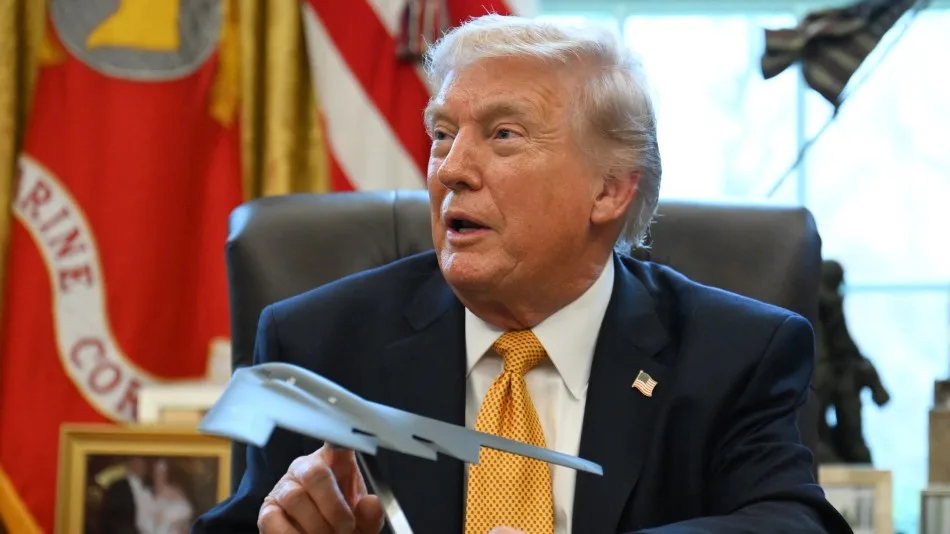
US President Donald Trump threatened to expand strikes on Kharg Island to target oil infrastructure after last weekend sparing energy assets on the key Iranian export hub. He also said Washington is “hammering” Tehran’s capacity to threaten commercial shipping through the Strait of Hormuz, and reiterated his appeals for help from other nations to secure passage.
Washington is allowing Iran to continue shipping crude via the waterway, Treasury Secretary Scott Bessent told CNBC.
In the Middle East, the UAE and Kuwait both reduced oil output further. Saudi Arabia and the UAE are racing to boost exports through alternative routes that bypass Hormuz.
Transit through the strait is likely to become “increasingly conditional,” with Iran permitting passage for some vessels depending on their political affiliation, JPMorgan Chase & Co. analysts including Natasha Kaneva said in a note.

The number of Iranian ships crossing the waterway jumped to a wartime high on Monday, according to data compiled by Bloomberg. That included an oil tanker headed for China.
“The biggest risk in the market is the Strait of Hormuz remaining constrained for a longer stretch and the market feeling the US and its allies have a limited capacity to alter the dynamic,” said Chris Weston, the head of research at Pepperstone Group in Melbourne.
On Monday, Trump said he had requested China — among those he’s asked for support in Hormuz — to delay a summit with his counterpart Xi Jinping for about a month, saying it was important for him to remain in Washington to oversee the Iran war.
