
Oil dropped as President Donald Trump struck an optimistic tone on prospects for a permanent ceasefire between the US and Iran.
Brent fell toward $98 a barrel, paring a weekly gain, while West Texas Intermediate was near $93. Trump claimed, without evidence, Tehran had agreed to terms it has long resisted, including opening the Strait of Hormuz. The Islamic Republic has not publicly confirmed the concessions.
Some Gulf Arab and European leaders said that a US-Iran peace deal would take about six months to be agreed and that the warring sides should extend their ceasefire to cover that timeframe, according to officials.
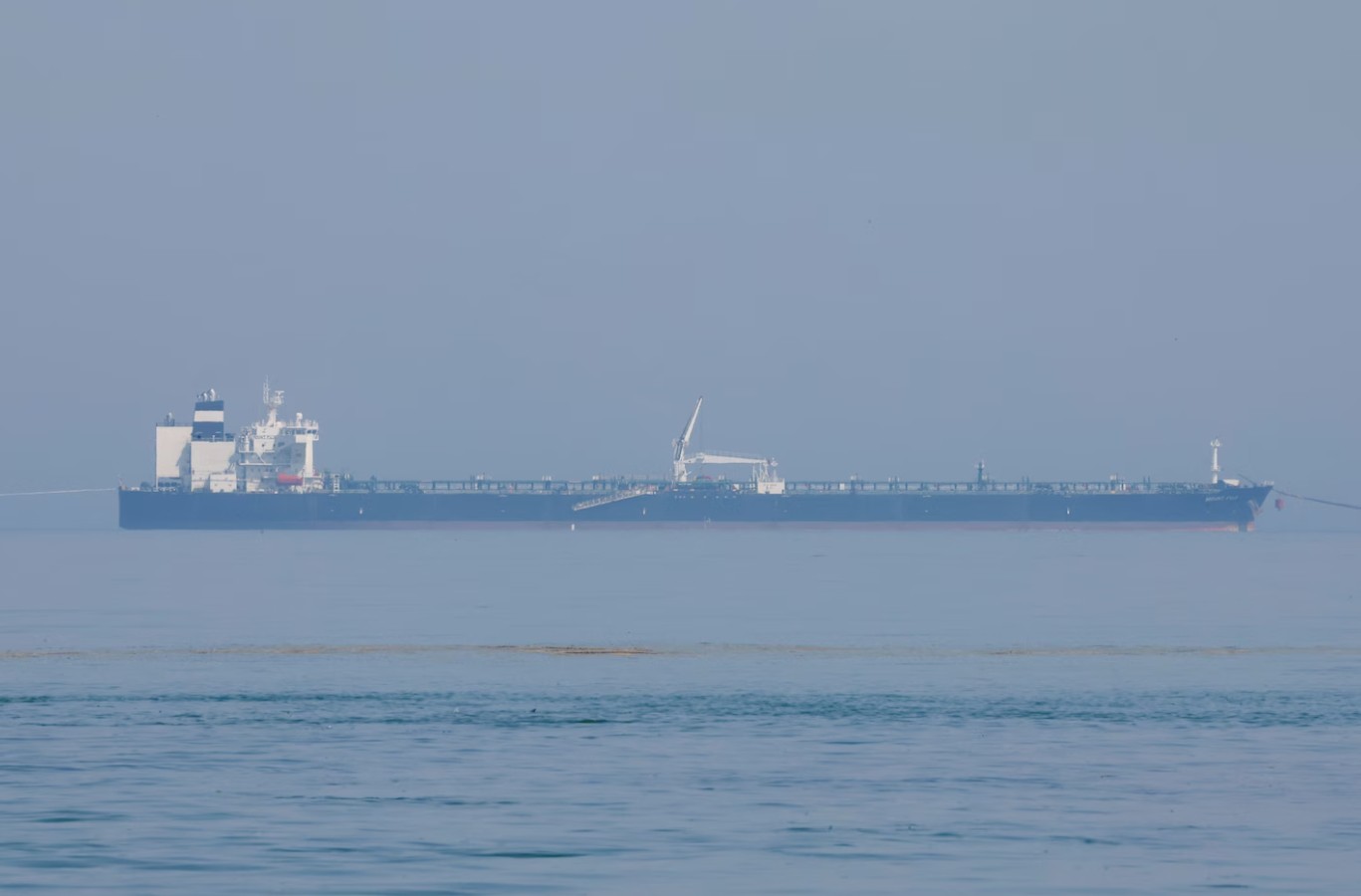
The crude market has been jolted by the conflict, which is now approaching the 50-day mark. The hostilities delivered an unprecedented supply shock, with Tehran halting most traffic through Hormuz, disrupting a fifth of global oil flows. More recently, the US also imposed its own naval blockade.
“The dominant theme now is not escalation, but stabilization,” said Priyanka Sachdeva, a senior market analyst at brokerage Phillip Nova Pte. “Oil markets are sending a clear message: fear drove the rally, diplomacy is driving the correction, and uncertainty will drive volatility ahead.”
During the war, which began in February after the US and Israel attacked Iran, Trump has often sowed confusion among investors with contradictory statements and rapid shifts in position about the timeline for the conflict, threats of further action, and what’s been agreed. At times, he’s also shown a tendency to reverse himself when markets appear to be rejecting his policies.
On Thursday, the US president said he didn’t expect he would have to extend a two-week ceasefire to reach a deal, predicting a resolution “fairly soon,” but if he needed to, he would. He also said that he might travel to Pakistan — which hosted a first round of talks — if a deal with Iran was clinched.
In remarks later at an event in Nevada, Trump sought to assuage voters’ fears about the cost of living as energy costs rise because of the conflict. He said the war in Iran was “going along swimmingly,” and should end soon.
After a run of exceptionally volatile trading, price movements have cooled, with Brent trading in a band of about $10 a barrel this week compared with a record-setting $38 in mid-March. A gauge of the benchmark’s second-month contract volatility was near the lowest since early last month.
Israel and Lebanon also agreed to a 10-day ceasefire, a move that may ease regional tensions . Israel has been battling Hezbollah, a key ally of Tehran. Iran has linked a ceasefire in Lebanon with conditions for a pause in the fighting with Washington. Trump said that he hopes Hezbollah “acts nicely.”
Control over Hormuz, which links the Persian Gulf to global markets, remains contentious, with the dual blockade keeping traffic at a near-standstill. Iran plans to charge ships for transit even after the war is over.
“The market is balancing improving headlines with the reality that every delay in normalization means further supply loss and tighter near-term fundamentals,” Rebecca Babin, a senior energy trader at CIBC Private Wealth Group. “While there’s been some positive geopolitical progress, it hasn’t translated into real movement on flows, which remain clearly constrained.”
Given the damage to infrastructure, International Energy Agency Executive Director Fatih Birol warned that it could take up to two years to recover a significant share of oil and gas production that has been disrupted. Any recovery would be gradual, Birol said on Bloomberg TV’s Wall Street Week.
More stories like this are available on bloomberg.com
