
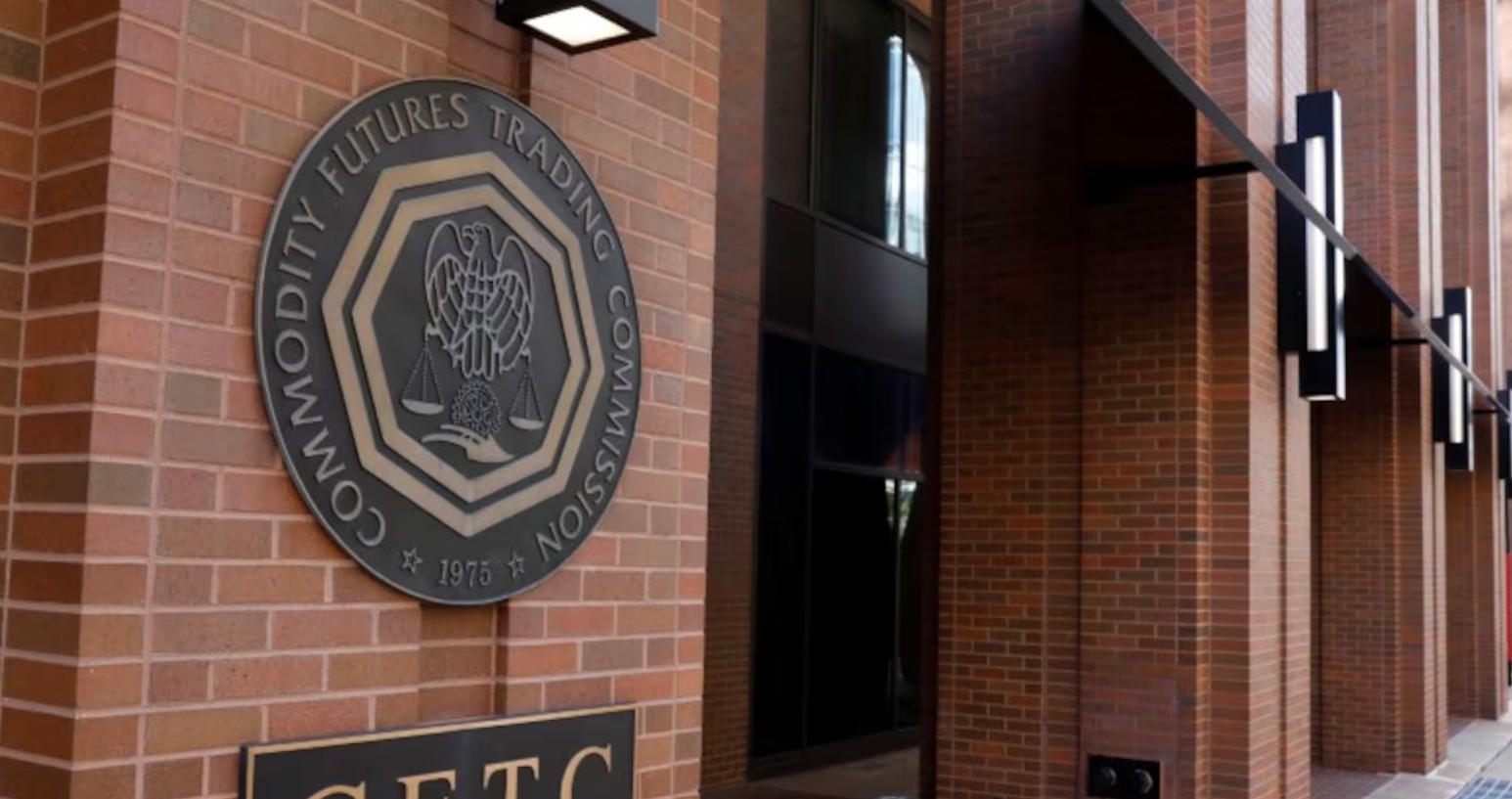
The U.S. Commodity Futures Trading Commission on Tuesday filed a lawsuit seeking to block Minnesota from enforcing a newly enacted law that made the state the first nationally to outright ban prediction markets like those run by Kalshi and Polymarket.
The federal regulator filed the lawsuit a day after Minnesota Governor Tim Walz, a Democrat, signed into law a measure that starting on August 1 would make it a crime to operate, host or promote a prediction market in the state.
Such platforms, which allow users to profit from predictions on events such as sports and elections, are at the center of a battle over the power of state gaming regulators to police the multibillion-dollar prediction market industry.
Kalshi, which in a recent funding round was valued at $22 billion, in particular has been fighting a series of court cases involving states that claim it is running an illegal, unlicensed wagering operation that allows adults under 21 to gamble.
Under President Donald Trump’s administration, the CFTC has shared the companies’ position that the event contracts users can trade on their prediction markets fall exclusively under the agency’s jurisdiction to regulate “swaps,” a type of derivative contract.
In Tuesday’s lawsuit, the CFTC argued that Minnesota’s novel law violated the U.S. Constitution by criminalizing at the state level the operation of derivatives markets governed by federal law.
“This Minnesota law turns lawful operators and participants in prediction markets into felons overnight,” CFTC Chairman Michael Selig said in a statement.
Minnesota Attorney General Keith Ellison, a Democrat, in a statement said his office was reviewing the lawsuit and would respond in court. He said he was concerned about the harms prediction markets pose to Minnesotans.
“Prediction markets are designed to be addictive and prey especially on young people and low-income folks,” Ellison said. “They help the ultra-rich get richer and the rest of us get poorer.”
Kalshi and Polymarket did not respond immediately to requests for comment on the lawsuit.
The CFTC has sued several other states seeking to prevent them from pursuing enforcement against prediction market operators. It recently won a court order blocking Arizona from pursuing a criminal case against New York-based Kalshi.
Nevada is the only state to have secured a court-enforced, in-effect ban against Kalshi. Massachusetts’ highest court is considering whether to uphold a currently paused injunction in that state that would bar Kalshi from offering sports events contracts.
